Compare Boutique Hotel Amenities: Comprehensive Evaluation Guide
The evolution of boutique hospitality has altered how hotel amenities are conceptualized, constructed, and evaluated. Historically, amenity packages were designed around scale and standardization. Commercial hotel towers competed by offering expansive, uniform features: massive fitness centers, expansive conference halls, Olympic-sized swimming pools, and standardized executive lounges. These additions functioned as operational requirements aimed at satisfying a wide, predictable audience of corporate travelers and tourist groups.
The boutique hotel movement fundamentally disrupted this paradigm by prioritizing spatial intimacy, localized character, and experiential depth over physical scale. In a boutique environment typically defined by property footprints ranging from 10 to 100 keys, amenities cease to be generic add-ons. Instead, they function as integral elements of the property’s architectural, sensory, and operational identity. A curated espresso bar, a private courtyard plunge pool, an in-room pour-over coffee setup, or a hyper-localized apothecary partnership is not merely a convenience; it serves as a core reflection of the hotel’s brand ethos and spatial logic.
Evaluating amenity offerings across independent properties requires moving beyond basic marketing lists and superficial review aggregators. Because boutique hotels lack the rigid brand standards of international hotel conglomerates, the quality, execution, and practical utility of their amenities vary widely. An amenity described on a website as a “luxury wellness facility” may range from an unstaffed basement room with a single treadmill to an architecturally stunning, hydrotherapy-focused subterranean spa.
To accurately evaluate these offerings, travelers, hospitality advisors, and industry analysts must adopt an analytical approach. By examining the structural engineering, operational trade-offs, spatial economics, and cost dynamics behind hotel features, one can distinguish between superficial marketing gimmicks and genuinely valuable hospitality enhancements. This guide provides the analytical frameworks, taxonomy, and evaluation strategies required to assess boutique hotel amenities with technical precision and editorial depth.
Understanding “compare boutique hotel amenities.”
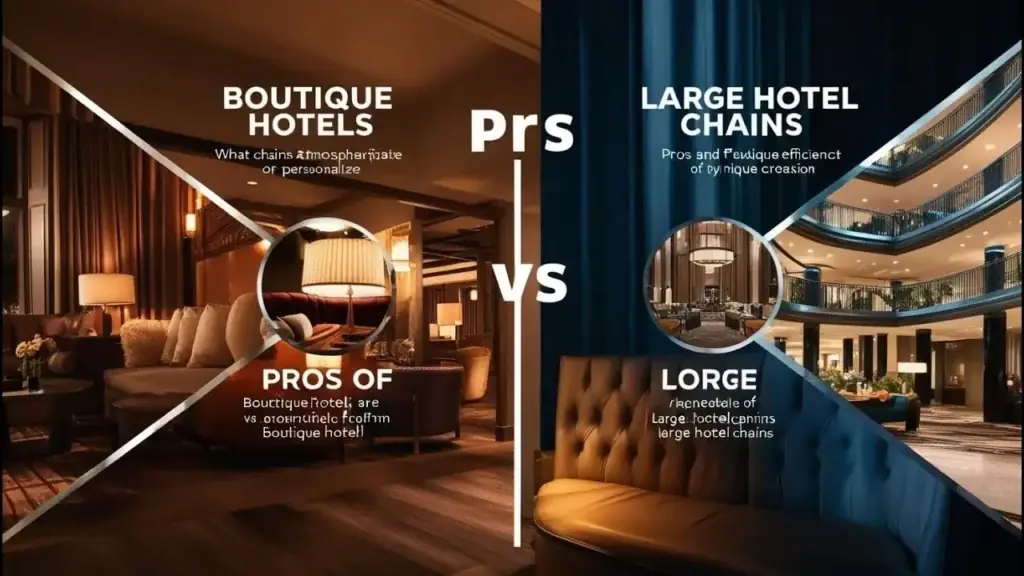
To rigorously compare boutique hotel amenities, one must analyze how physical spaces, operational systems, and guest touchpoints interact within small-footprint properties. Unlike standardized chain hotels that follow rigid brand manuals, boutique properties operate with significant architectural and operational variability. As a result, comparing features across independent properties requires looking past marketing terminology to evaluate underlying functionality, maintenance standards, and spatial proportion.
At an operational level, comparing boutique amenities requires evaluating three distinct dimensions:
-
Spatial and Architectural Integration: How efficiently an amenity utilizes limited physical square footage without causing spatial clutter or acoustic disturbance to guest quarters.
-
Operational Execution and Staffing Ratios: The depth of service backing an amenity, distinguishing between passive, unstaffed hardware and actively managed, high-touch services.
-
Perceived vs. Realized Utility: The practical value an amenity provides to a guest’s stay versus its promotional visual appeal on digital booking platforms.
A common pitfall in evaluating boutique properties is assuming that identical terminology implies equal quality. A “rooftop plunge pool” at a historic urban property might mean an unheated, four-person basin surrounded by limited seating, whereas at a purpose-built coastal retreat, it represents a climate-controlled infinity pool with dedicated lounge service. Similarly, a “locally sourced minibar” can range from a few marked-up local snacks to an artisanal culinary station featuring small-batch spirits, house-made mixers, and custom glassware.
To systematically compare boutique hotel amenities, evaluators must categorize features into primary functional domains: in-room infrastructure, food and beverage integration, wellness and fitness facilities, communal spaces, and personalized guest services. Analyzing these categories through clear metrics—such as square footage per key, staffing ratios, and maintenance cycles—reveals whether a property’s amenity package delivers genuine value or merely cosmetic appeal.
Deep Contextual Background: Structural Evolution of Hospitality Features
The historical development of hotel amenities reflects broader shifts in urban architecture, consumer technology, and global travel patterns. In the early to mid-twentieth century, luxury hotels competed primarily on core structural infrastructure: private en-suite bathrooms, indoor plumbing, passenger elevators, and centralized air conditioning. As these features became standard across commercial lodging, hotels shifted competition toward service additions, such as 24-hour room service, in-room televisions, and dedicated valet parking.
Because these historic structures operated under strict physical constraints, hoteliers could not install massive banquet halls or commercial-scale fitness centers. Consequently, they reimagined the amenity package itself:
-
Shift from Scale to Curation: Large buffet breakfasts were replaced by intimate, high-end lobby cafes; generic gym facilities gave way to curated local fitness partnerships; and mass-produced toiletries were replaced by custom-blended, regional apothecary products.
-
In-Room Environment as Primary Amenity: The guest room transformed from a simple sleeping compartment into a detailed sensory environment featuring custom furniture, high-end sound systems, and curated minibars.
-
Communal Spaces as Cultural Venues: Lobby lounges and rooftop bars evolved into vibrant public spaces where guests interacted with local art, music, and mixology cultures.
-
Technology Modernization: Fixed-line in-room phones and paid movie systems were replaced by high-speed Wi-Fi networks, keyless digital entry systems, and personalized streaming capabilities.
Today, independent boutique properties operate in a highly competitive market where physical amenities must balance aesthetic character with operational efficiency. Understanding this evolution helps travelers and analysts evaluate whether an amenity package represents a thoughtful response to a property’s unique environment or an awkward attempt to copy generic trends.
Conceptual Frameworks and Mental Models for Amenity Valuation
Systematic evaluation of hotel amenities requires objective analytical models rather than subjective impressions. The following conceptual frameworks provide a structured methodology for assessing the economic, spatial, and operational value of boutique hotel features.
Core Valuation Frameworks
-
The Amenity Friction Index (AFI): Measures the operational effort required for a guest to access and use an amenity, evaluating whether a feature introduces unnecessary complexity.
-
The Spatial Yield Ratio (SYR): Calculates the revenue or guest-satisfaction return generated per square foot of space allocated to public and in-room amenities.
-
The Hardware-to-Service Balance (HSB): Evaluates the proportion of physical equipment versus dedicated staff interaction required to deliver a specific amenity.
-
The Local Integration Index (LII): Assesses how authentically an amenity incorporates local culture, regional suppliers, and community craftsmanship compared to generic off-the-shelf products.
Detailed Framework Breakdown
1. The Amenity Friction Index (AFI)
This framework evaluates the ease of using a hotel amenity. An amenity with low friction functions intuitively—such as a smart television system that connects seamlessly to a guest’s personal streaming accounts without requiring app downloads or complex passwords. Conversely, a high-friction amenity introduces unnecessary hassle, such as a high-tech room control panel that requires navigating multiple digital menus just to adjust bedside lighting.
-
Primary Application: Evaluates in-room digital controls, spa booking workflows, and mobile check-in platforms.
-
Operational Limit: May favor simpler, analog systems over sophisticated digital platforms if the software user interface is poorly designed.
2. The Spatial Yield Ratio (SYR)
Boutique properties operate under strict physical spatial limits. This model measures how effectively a hotel utilizes its square footage. For example, replacing an underutilized 500-square-foot formal boardroom with a multi-use library lounge that serves as a quiet morning workspace, an afternoon tea venue, and an evening cocktail space yields a significantly higher SYR.
-
Primary Application: Evaluates communal lobby areas, rooftop venues, and multi-purpose event spaces.
-
Operational Limit: Over-optimizing space for commercial yield can result in crowded public areas that compromise guest privacy.
3. The Hardware-to-Service Balance (HSB)
This model assesses whether an amenity relies primarily on physical equipment or active human service. A high-hardware, low-service amenity—such as an automated espresso machine in an unstaffed lobby—provides basic convenience. A balanced amenity pairs physical infrastructure with attentive service, such as a private spa room backed by licensed therapists and personalized wellness consultations.
-
Primary Application: Evaluates fitness facilities, wellness centers, and food and beverage operations.
-
Operational Limit: High-service amenities carry higher labor costs and require ongoing staff training to maintain quality.
4. The Local Integration Index (LII)
This framework measures how effectively a boutique hotel connects guests with its surrounding destination. A property scoring high on the LII replaces mass-market toiletries with custom products from a neighborhood apothecary, stocks minibars with regional craft beverages and bakeries, and features artwork created by local artists.
-
Primary Application: Evaluates bath products, minibar programs, interior design, and concierge recommendations.
-
Operational Limit: Excessive reliance on small local suppliers can occasionally create supply-chain consistency challenges during peak occupancy periods.
Key Amenity Categories, Operational Trade-offs, and Decision Logic
Categorizing the primary operational domains of boutique amenities allows evaluators to compare features systematically across diverse property types.
Boutique Hotel Amenity Category Comparison Matrix
| Amenity Category | Core Physical Components | Primary Operational Advantages | Primary Operational Constraints | High-Quality Benchmark Indicator | Common Failure Mode |
| In-Room Infrastructure | High-thread-count linens, custom furniture, acoustic insulation, blackout shades | Direct impact on sleep quality and guest comfort | High initial capital costs and laundry overhead | Multi-layer soundproofing and intuitive climate control | Overly complex lighting panels; noisy mechanical HVAC units |
| Culinary & Minibar | In-room pour-over coffee, curated local minibars, room service, courtyard dining | High margin potential; strong local brand identity | Inventory expiration; refrigeration noise; kitchen labor costs | Freshly roasted local coffee and custom glassware | Overpriced mass-market snacks; noisy minibar refrigerators |
| Wellness & Fitness | Plunge pools, saunas, yoga decks, curated gym equipment, in-room wellness kits | High guest appeal; supports wellness-focused travel | High water, heating, and liability insurance costs | Partnered access to full-scale local gyms or high-end equipment | Tiny basement rooms with a single broken treadmill |
| Communal & Social Spaces | Courtyard gardens, rooftop terraces, library lounges, speakeasy bars | Drives local food & beverage revenue; fosters community atmosphere | Public noise management; crowding during peak hours | Distinct, comfortable seating areas with acoustic dampening | Overcrowded lobby bars that displace hotel guests |
| Digital & Smart Tech | Keyless mobile entry, high-speed Wi-Fi 6, casting-enabled TVs, smart climate | Streamlines guest arrival; reduces front-desk labor | Cybersecurity vulnerabilities; software maintenance overhead | Gigabit Wi-Fi speed and one-touch streaming casting | Complex digital tablets that replace intuitive physical light switches |
Strategic Amenity Decision Logic
When evaluating or selecting a boutique hotel based on its amenity package, travelers and advisors should follow this step-by-step decision sequence:
-
Identify Primary Travel Objectives:
-
Work/Productivity Focus: Require high-speed Wi-Fi 6, ergonomic in-room desks, generous power outlet placement, quiet acoustic insulation, and high-quality coffee infrastructure.
-
Relaxation/Rest Focus: Prioritize multi-layer blackout shades, deep soaking tubs or rainfall showers, premium bedding, low-noise HVAC systems, and on-site wellness facilities.
-
-
Assess the Realized Quality of Key Amenities:
-
For Fitness Needs: Check if the property offers dedicated high-end equipment (e.g., Peloton bikes, free weights, rowing machines) or provides complimentary day passes to a full-service neighborhood gym.
-
For Dining Needs: Confirm whether on-site restaurants and bars cater to guests or are frequently fully booked by external public crowds.
-
Detailed Real-World Evaluation Scenarios
The Urban Historic Conversion (New Orleans, Louisiana)
-
Context: A historic 1880s merchant building converted into a 35-key boutique hotel in a vibrant historic district.
-
Constraints: Historic preservation laws restrict structural alterations; street noise is significant; guest room sizes vary due to the building’s original floor plan.
-
Amenity Execution: The hotel compensates for smaller room sizes by installing multi-layer acoustic window glazing, custom hardwood furniture, and high-end bathroom fixtures. Instead of building a small, uninspired gym, management partners with a luxury fitness club two blocks away, providing guests with complimentary full-day access. The courtyard features a heated plunge pool surrounded by dense tropical plantings, creating a quiet retreat from the street.
-
Evaluation Analysis: The property successfully navigates historic building constraints by focusing investments on high-impact in-room comfort (soundproofing and bath fixtures) and outsourcing fitness amenities to a superior local provider.
The Coastal Country Estate (Big Sur, California)
-
Context: A remote 30-key luxury eco-retreat situated on coastal cliffs.
-
Constraints: Limited cellular coverage; strict environmental regulations; high logistics costs for food and beverage supply chains.
-
Amenity Execution: The property installs high-speed satellite internet backed by mesh Wi-Fi across all guest cottages. Each cottage features a wood-burning fireplace, a private outdoor soaking tub, an unstocked cellar with curated regional wines, and custom acoustic soundscapes. The on-site restaurant operates a farm-to-table culinary program using produce grown in an organic garden on the grounds.
-
Evaluation Analysis: By leveraging high-end in-room amenities (wood fireplaces, private outdoor tubs, and curated regional wines) and self-contained culinary operations, the property turns its remote geography into a restorative, high-value asset.
The Design-Led City Hotel (Tokyo, Japan)
-
Context: A modern 50-key boutique hotel occupying five floors of a mid-rise tower in a high-density commercial district.
-
Constraints: Compact room footprints (220 to 300 square feet); intense competition from global luxury hotel brands.
-
Amenity Execution: The property maximizes space using custom Japanese oak joinery that integrates the bed, nightstands, and desk into a single fluid unit. Bathrooms feature high-tech Japanese shower toilets and compact deep-soaking wooden tubs. Rooms are equipped with smart tablets that control lighting, motorized shades, and climate, as well as a custom pour-over coffee bar featuring beans from a neighborhood roaster.
-
Evaluation Analysis: Precision spatial engineering transforms compact rooms into functional, highly comfortable spaces. The inclusion of high-quality local coffee and specialized bath fixtures creates a distinct, memorable experience that competes effectively against larger luxury hotels.
Planning, Cost, and Resource Dynamics
The economic structure of boutique hotel amenities involves balancing capital expenditure (CapEx), ongoing operational expenditure (OpEx), maintenance costs, and guest value perception.
Direct vs. Indirect Cost Factors
-
Direct Operational Costs: Linens, laundry services, bath product replenishment, minibar inventory, Wi-Fi bandwidth contracts, and gym equipment leases.
-
Indirect Operational Liabilities: Staff labor required to service amenities, ongoing equipment maintenance contracts, utility costs (water heating for pools and saunas), and potential revenue loss during amenity maintenance closures.
Amenity Investment & Resource Dynamic Analysis
| Amenity Type | Estimated Initial CapEx per Key | Annual OpEx Impact | Primary Revenue / Value Driver | Maintenance Overhead & Lifespan |
| High-End Bedding & Linens | $1,200 – $2,500 | High (Frequent professional laundering and wear replacement) | Directly drives guest satisfaction, sleep quality, and positive reviews | Short lifespan (12 to 18 months under heavy hotel use) |
| In-Room Espresso & Coffee Systems | $300 – $1,200 | Moderate (Fresh coffee beans, milk, and equipment cleaning) | Enhances morning guest comfort and reduces room-service demands | Medium lifespan (2 to 4 years; requires regular descaling) |
| Custom Bath & Apothecary Products | $150 – $400 (Dispenser setup) | Moderate to High (Ongoing bulk product purchasing) | Strong brand touchpoint; potential retail product sales | Continuous replenishment; minimal hardware breakdown |
| On-Site Heated Plunge Pool / Spa | $5,000 – $15,000+ | Very High (Water treatment, heating utilities, and lifeguard/attendant labor) | Major booking driver; commands higher overall nightly room rates | High ongoing maintenance; equipment replacement every 5 to 7 years |
| In-Room Smart Controls & Casting | $800 – $2,000 | Moderate (Software licensing fees and IT support contracts) | Streamlines entertainment; appeals to tech-conscious travelers | Fast technological obsolescence (Requires software updates every 2 to 3 years) |
Tools, Strategies, and Support Systems
Accurately evaluating and comparing hotel features relies on using specialized research platforms, industry databases, and structured inspection workflows.
Essential Evaluation Tools and Resources
-
Independent Hotel Collections: Networks like Relais & Châteaux, Small Luxury Hotels of the World, Leading Hotels of the World, and Design Hotels enforce strict physical and operational standards for member properties.
-
Professional Hotel Audit Platforms: Services such as Forbes Travel Guide and AAA Diamond Ratings conduct unannounced, detailed physical inspections using standardized evaluation checklists.
-
Direct Property Inspections: Reviewing high-resolution floor plans, room square-footage specifications, and virtual 360-degree tours provided directly on hotel websites.
-
Guest Review Analytics Tools: Platforms like TrustYou or ReviewPro aggregate thousands of guest comments, filtering reviews specifically for terms like “soundproofing,” “Wi-Fi speed,” “bed comfort,” and “gym quality.”
Tactical Inspection Checklist for Travelers
-
Verify Acoustic Soundproofing: Look for double-paned windows, heavy solid-core guest room doors with bottom sweeps, and quiet inverter-driven HVAC systems.
-
Inspect Technology Integration: Confirm that televisions support direct device casting (e.g., Chromecast or AirPlay) without requiring third-party logins on public hotel software.
-
Check Bathroom Infrastructure: Look for thermostatic shower controls, rapid water-heating response, adequate counter space, and well-placed, anti-fog mirrors.
-
Evaluate Fitness Facilities: Determine whether the hotel gym contains functional, well-maintained equipment or if the property provides access to a full-service nearby fitness club.
Risk Landscape and Failure Modes
Attempts by independent boutique properties to implement complex amenity packages can fail due to architectural limits, budget constraints, or operational oversights.
Key Failure Categories
1. The Over-Engineered Technology Trap
Occurs when a hotel replaces simple, intuitive controls (such as mechanical light switches or traditional thermostats) with complex digital touchscreens or smart tablets.
-
Impact: Guests experience frustration when trying to perform basic tasks like turning off bedside lights or adjusting room temperature in the dark.
-
Mitigation: Retain intuitive, physical switches alongside any digital control systems.
2. The Unmaintained Fitness Facility
Occurs when a hotel allocates a small, windowless room to fitness equipment but fails to invest in regular maintenance or climate control.
-
Impact: Guests encounter broken machinery, poor ventilation, and an unpleasant environment that undermines the property’s luxury claims.
-
Mitigation: Partner with high-end neighborhood gyms or focus on providing quality in-room fitness equipment (such as yoga mats, resistance bands, and adjustable dumbbells).
3. The Public-Private Space Conflict
Occurs when a hotel’s lobby bar or rooftop terrace becomes a wildly popular venue for local nightlife, crowding out overnight hotel guests.
-
Impact: Overnight guests experience long elevator waits, noisy corridors, and an inability to find seating in their own hotel’s communal spaces.
-
Mitigation: Establish reserved seating areas and priority access protocols exclusively for hotel guests in public venues.
4. The Cosmetic Bath Product Compromise
Occurs when a property uses attractive, branded bath dispensers filled with cheap, drying soaps or heavily fragranced synthetic formulations.
-
Impact: Guests experience skin irritation and a disconnect between the hotel’s luxury branding and actual product quality.
-
Mitigation: Partner with reputable, transparent apothecary brands that formulate high-quality, hypoallergenic products.
Governance, Maintenance, and Long-Term Adaptation
Maintaining high amenity standards requires structured operational reviews, regular equipment updates, and active adaptation to changing travel habits.
Long-Term Quality Management Review Cycle
-
Quarterly Hardware Audits: Inspect all in-room machinery, coffee systems, shower controls, and climate systems to catch wear and tear before it impacts guests.
-
Biannual Linen and Textile Refresh: Evaluate bed sheets, towels, and bathrobes for wear, replacing degraded items to maintain a luxury feel.
-
Annual Tech Network Upgrades: Test Wi-Fi bandwidth, update smart TV software, and ensure digital access protocols remain secure and compatible with modern mobile devices.
Amenity Evaluation Protocols
To maintain objective evaluation records across multiple hotel stays, travel managers and advisors should maintain structured performance logs:
PROPERTY INSPECTION RECORD: Acoustic & HVAC Performance
PROPERTY INSPECTION RECORD: Acoustic & HVAC Performance
Property: Historic Urban Boutique Hotel (42 Keys)
Date of Audit: October 2026
Tested Room: Room 402 (Corner Suite, Street-Facing)
1. Window Acoustic Isolation:
Glazing Type: Dual-pane insulated laminated glass
Street Noise Level (Exterior): 72 dB (Active traffic)
Street Noise Level (Interior): 34 dB (Optimal whisper-quiet threshold)
Assessment: PASS (Superior acoustic insulation)
2. Mechanical HVAC Noise Level:
System Type: Inverter-driven variable refrigerant flow (VRF)
Decibel Reading (High Fan): 41 dB
Decibel Reading (Low/Night Mode): 28 dB
Assessment: PASS (Negligible ambient background noise)
3. Blackout Light Control:
Shade Type: Side-channeled motorized blackout roller shades
Light Leakage Margin: Zero light bleed along side tracks
Assessment: PASS (Complete dark-room environment achieved)
PROPERTY INSPECTION RECORD: Technology & Connectivity
Property: Coastal Eco-Retreat (28 Keys)
Date of Audit: October 2026
Tested Room: Cottage 12
1. Wi-Fi Connectivity Metrics:
Protocol: Wi-Fi 6 (802.11ax mesh network)
Download Speed: 420 Mbps
Upload Speed: 380 Mbps
Latency: 12 ms
Assessment: PASS (Excellent bandwidth for high-demand streaming/work)
2. Television Entertainment System:
Platform: Commercial smart display with native Chromecast
Pairing Workflow: QR-code scan via smartphone camera
Data Security: Automatic credential wiping upon guest checkout
Assessment: PASS (Low-friction user experience)
Measurement, Tracking, and Evaluation
Systematic evaluation of boutique hotel amenities relies on tracking key performance indicators that measure both operational efficiency and guest satisfaction.
Key Evaluation Indicators
-
Leading Indicators: Maintenance request frequencies for in-room equipment, Wi-Fi network latency metrics, and staff-to-guest response times for room amenities.
-
Lagging Indicators: Online review scores for sleep quality, guest return rates, and food and beverage capture rates among overnight guests.
Common Misconceptions and Oversimplifications
- Myth 1: “More Amenities Always Equals a Better Hotel”
-
Correction: A long list of superficial features often distracts from poor core quality. A boutique hotel that focuses investments on exceptional soundproofing, premium bedding, and intuitive climate controls delivers a far better stay than one offering an extensive list of mediocre features.
- Myth 2: “In-Room Smart Tablets Are a Luxury Upgrade”
-
Correction: In-room tablets are often installed as a cost-cutting measure to reduce printed materials and front-desk staffing. If the software user interface is slow or unintuitive, a tablet creates unnecessary hassle compared to simple, physical controls.
- Myth 3: “A Hotel Must Have an On-Site Gym to Support Fitness”
-
Correction: Small boutique hotels rarely have the space to build comprehensive gyms. A property that partners with a top-tier neighborhood fitness club provides access to far better equipment and facilities than a cramped, unstaffed basement room.
Ethical, Practical, or Regulatory Considerations
Modern amenity design must account for environmental sustainability, accessibility laws, and community impact.
-
Environmental Sustainability: Replacing single-use plastic toiletry bottles with refillable bulk dispensers, installing water-saving rainfall showerheads, and using smart thermostats significantly reduces a property’s environmental footprint.
-
Accessibility Compliance: Independent boutique hotels, especially those in historic buildings, must ensure that accessible rooms and amenities provide equal comfort and convenience without compromising design standards.
-
Supporting Local Communities: Sourcing coffee, bath products, craft beverages, and artwork from local suppliers ensures that a property’s amenity investments directly support the surrounding neighborhood economy.
Synthesis and Strategic Conclusion
Learning to compare boutique hotel amenities effectively requires moving beyond promotional photos and marketing claims to evaluate physical quality, spatial design, and operational execution.
By prioritizing essential elements—such as acoustic insulation, high-quality bedding, intuitive room technology, and authentic local partnerships—travelers and industry analysts can identify properties that deliver genuine comfort and memorable experiences.
Ultimately, exceptional boutique hospitality is defined not by the sheer quantity of its amenities, but by the intelligence, care, and quality with which each feature is designed and maintained. When a hotel’s amenity package aligns thoughtfully with its physical architecture and local environment, it transforms a routine hotel stay into a deeply restorative experience.