Best Boutique Hotel Options for Romantic Getaways: Expert Guide
The concept of a romantic getaway has undergone a structural shift over the past two decades. Historically anchored in standardized resort luxury where marble lobbies, grand ballrooms, and expansive swimming pools signaled prestige, couples’ travel was often characterized by visual scale rather than experiential nuance. As traveler preferences matured, the limitations of large-scale resort operations became apparent. High guest volumes, transactional service models, standardized interior design, and crowded public spaces frequently eroded the privacy and sense of sanctuary required for personal connection.
Boutique hospitality emerged as a direct structural response to these limitations. Defined generally by an intimate physical footprint typically between 10 and 100 keys, independent ownership or curated collection alignment, and highly localized architectural expression, boutique properties re-engineered hospitality around spatial intimacy and bespoke service delivery. When tailored specifically for romantic retreats, these properties operate under distinct spatial, operational, and service paradigms designed to minimize friction and maximize cognitive and physical disengagement from daily life.
Selecting the best boutique hotel options for romantic getaways requires looking beyond superficial decorative choices or promotional marketing language. An authentic romantic sanctuary relies on specific structural and operational factors: acoustic isolation, intentional spatial layouts, low guest-to-staff ratios, unobtrusive yet anticipatory service protocols, and integrated sensory programming. Evaluating properties through these technical and architectural lenses allows travelers to distinguish between hotels that merely market romance and those whose physical and operational architecture genuinely supports intimacy.
Understanding “best boutique hotel options for romantic getaways.”
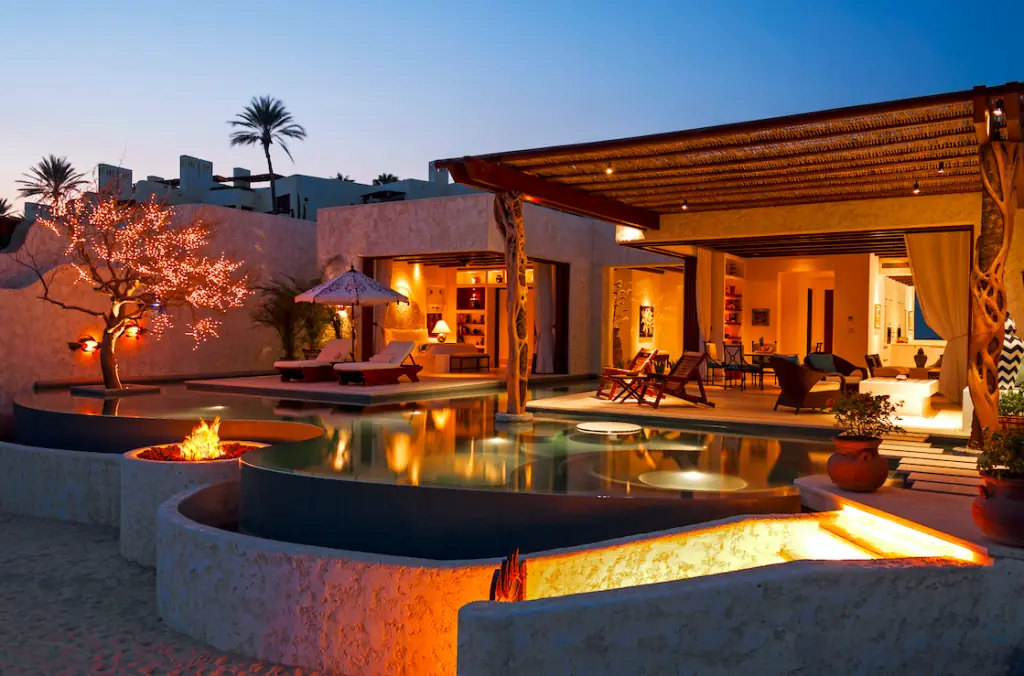
Evaluating the best boutique hotel options for romantic getaways requires separating emotional lifestyle branding from tangible spatial and operational realities. A property does not qualify as an exceptional romantic retreat simply by providing champagne upon arrival, placing rose petals on bed linens, or dimming lobby lighting. True romantic utility depends on structural architecture, environmental controls, and service engineering that collectively protect guest privacy and cultivate emotional sanctuary.
At an operational level, romantic boutique hospitality functions across three foundational dimensions:
-
Spatial and Acoustic Partitioning: Physical design that prevents visual and auditory intrusions, utilizing soundproofed walls, secluded entry points, private outdoor areas, and strategic sightlines.
-
Calibrated Service Intimacy: Service models designed to anticipate guest needs without being intrusive, delivering personalized attention without disrupting privacy.
-
Sensory and Temporal Consistency: Thoughtful control over lighting, scent, soundscapes, and dining schedules, allowing couples to disengage from structured routines.
Operational breakdowns occur when properties attempt to serve competing market segments simultaneously. A boutique hotel that hosts corporate conferences, multi-generational family reunions, or high-volume public day-clubs inevitably compromises the tranquility required for a romantic retreat. Increased public noise, crowded common areas, and distracted service staff undermine the sense of secluded luxury.
Identifying the best boutique hotel options for romantic getaways requires evaluating four essential structural parameters:
-
Key Count and Density: Properties maintaining fewer than 50 rooms to ensure low public area density and attentive service ratios.
-
Adult-Oriented Policies: Formal or informal age restrictions that preserve quiet, mature atmospheres in dining venues, pools, and wellness facilities.
-
In-Room Wellness Infrastructure: Guest rooms featuring freestanding soaking tubs, private plunge pools, dual vanity spaces, fireplaces, and private dining setups.
-
Proximity to Natural or Cultural Anchors: Direct access to compelling landscapes or urban culture without requiring long, complex ground transit.
Deep Contextual Background: Structural Evolution of Romantic Hospitality
The historical development of romantic lodging reflects broader shifts in architecture, leisure economics, and cultural definitions of privacy. Prior to the late twentieth century, romantic travel was primarily absorbed by two extremes: grand palace hotels in urban centers or coastal grand resorts, and utilitarian roadside motels that offered anonymity but lacked refined comfort.
The modern boutique movement originated in the late 1970s and 1980s, spearheaded by hoteliers like Anouska Hempel in London and Ian Schrager and Steve Rubell in New York. These pioneers recognized that sophisticated travelers were growing weary of standardized corporate hotel chains. Early boutique properties focused on distinct visual themes, centralized urban locations, and vibrant nightlife, catering to design-conscious travelers.
Over the subsequent decades, several systemic developments reshaped boutique hospitality into a primary choice for romantic travel:
-
The Rise of Experiential Luxury: High-net-worth travelers shifted preference from conspicuous material consumption toward private, experiential retreats.
-
Architectural Integration with Nature: Advances in sustainable design enabled luxury properties to build secluded accommodations—such as cliffside villas, overwater bungalows, and forest pavilions—without sacrificing modern amenities.
-
Refinement of Wellness and Culinary Programming: The evolution of hotel spas from simple treatment rooms to holistic wellness sanctuaries, paired with farm-to-table culinary programs, transformed boutique properties into self-contained destinations.
-
Digital Curation and Niche Collections: Organizations like Relais & Châteaux, Small Luxury Hotels of the World, and Design Hotels provided independent properties with global distribution channels, allowing niche romantic retreats to thrive independently of major corporate chains.
Understanding this structural evolution clarifies why independent, design-forward boutique properties remain the gold standard for romantic travel. They offer an authenticity, architectural character, and personal level of service that large-scale commercial hotels struggle to replicate.
Conceptual Frameworks and Mental Models for Property Evaluation
Navigating the global landscape of boutique hospitality requires objective analytical frameworks rather than relying solely on subjective review scores or marketing photography. The following mental models provide a systematic method for evaluating a property’s romantic capability.
Core Evaluation Frameworks
-
The Acoustic-Spatial Insulation Model: Evaluates a property’s ability to isolate guest quarters from internal and external noise pollution through structural engineering and layout design.
-
The Service Friction Index: Measures the balance between staff attentiveness and guest privacy, identifying whether service interactions feel natural or intrusive.
-
The Public-to-Private Space Ratio: Calculates the proportion of private room and patio square footage relative to shared public space, assessing true physical seclusion.
-
The Sensory Anchoring Framework: Assesses how a property uses natural light, localized materials, scent profiles, and regional culinary traditions to create a distinct, memorable environment.
Detailed Framework Breakdown
1. The Acoustic-Spatial Insulation Model
Sound control is a fundamental technical prerequisite for romantic hospitality. This framework evaluates structural sound transmission class (STC) ratings of walls, window glazing thickness, mechanical HVAC noise levels, and the spatial separation of guest quarters from kitchens, bars, and delivery bays. A property scoring high on this model ensures that guests are completely protected from neighboring conversations, footsteps, and background operational noise.
-
Primary Application: Evaluates urban boutique hotels and historic conversions where structural noise transfer is common.
-
Operational Limit: Requires verifying property renovations, as historic buildings may retain original flooring or thin walls despite cosmetic updates.
2. The Service Friction Index
This model evaluates service delivery efficiency and discretion. Exceptional boutique service anticipates needs—such as subtle housekeeping timing, seamless room service setup, and personalized local recommendations—without requiring repeated guest requests or imposing on guest privacy.
-
Primary Application: Assesses staff training quality and staff-to-guest ratios at high-tier luxury retreats.
-
Operational Limit: Subject to variable seasonal staffing levels and turnover in local hospitality markets.
3. The Public-to-Private Space Ratio
This framework compares the usable square footage of a private suite (including private terraces, gardens, and plunge pools) against the density of shared guest areas (main pools, dining rooms, and lounges). Properties with high private-to-public space ratios allow couples to spend extended periods within their personal suite without feeling confined, reducing reliance on shared public facilities.
-
Primary Application: Guides selection between resort-style boutique properties and compact urban boutique hotels.
-
Operational Limit: Higher private space ratios generally correlate with higher nightly rates and limited room inventory.
4. The Sensory Anchoring Framework
This model measures how effectively a property engages the senses to foster relaxation and emotional connection. It evaluates natural lighting, ambient acoustics, private outdoor spaces, high-quality textiles, and regional culinary offerings. Properties that integrate these elements thoughtfully help guests transition away from daily work stresses into a present, relaxed state.
-
Primary Application: Distinguishes generic luxury design from authentic, destination-specific boutique hospitality.
-
Operational Limit: Sensory preferences are inherently personal; design choices that appeal to one couple may not suit another.
Key Property Categories, Operational Variations, and Decision Logic
Matching a couple’s personal preferences with the correct hospitality category is essential for a successful romantic getaway. Boutique properties vary significantly in architectural style, location, and operational focus.
Romantic Boutique Hospitality Comparison Matrix
| Property Category | Average Key Count | Primary Architectural Features | Privacy & Seclusion Level | Ideal For | Primary Operational Constraints |
| Coastal & Island Sanctuaries (e.g., Little Palm Island, Florida; Hotel Wailea, Maui) | 15 – 70 Keys | Standalone bungalows, private beach access, outdoor showers, oceanfront dining | Very High; physical isolation and restricted island access | Multi-day relaxation, milestone anniversaries, honeymoons | High seasonal pricing volatility; potential weather vulnerabilities |
| Mountain & Alpine Lodges (e.g., Post Ranch Inn, Big Sur; Dunton Hot Springs, Colorado) | 10 – 40 Keys | Timber construction, private fireplaces, outdoor soaking tubs, mountain views | High to Very High; remote natural settings | Winter escapes, outdoor enthusiasts, autumn foliage retreats | Regional transit complexity; limited off-property dining options |
| Wine Country & Country Estates (e.g., Meadowood Napa Valley; Topping Rose House, Hamptons) | 20 – 60 Keys | Vineyard views, private gardens, historic main inns, expansive spa suites | High; calm pastoral acreage and quiet grounds | Culinary travelers, wine enthusiasts, weekend regional drives | High demand during harvest seasons; strict local zoning restrictions |
| Urban Residential Hideaways (e.g., Hotel Saint Vincent, New Orleans; Casa Cipriani, NYC) | 30 – 80 Keys | Restored historic mansions, courtyard pools, speakeasy lounges, residential suites | Moderate; private interior spaces set within vibrant urban neighborhoods | Short weekend getaways, cultural trips, dining-focused itineraries | Potential urban street noise; limited private outdoor grounds |
| Desert & High-Plateau Refuges (e.g., L’Auberge de Sedona; Amangiri, Utah) | 20 – 50 Keys | Earth-toned architecture, private fire pits, open sky terraces, plunge pools | Very High; expansive natural surroundings and dark-sky views | Wellness-focused escapes, stargazing, nature retreats | Extreme seasonal temperatures; required rental vehicle transit |
Strategic Property Decision Logic
To select the ideal property for a romantic getaway, evaluate travel priorities through this structured decision sequence:
-
Assess Travel Duration and Transit Constraints:
-
Short Weekend Trips (2–3 Nights): Choose an Urban Residential Hideaway or a Wine Country/Country Estate within a 2- to 3-hour ground drive or non-stop flight radius. Minimize transit time to maximize property relaxation.
-
Extended Stays (4–7+ Nights): Select a Coastal & Island Sanctuary, Mountain Lodge, or Desert Refuge that offers comprehensive on-site amenities, diverse dining options, and structured wellness programming.
-
-
Determine Preferred Seclusion Level:
-
High Seclusion Preference: Focus on properties offering standalone villas, private plunge pools, in-suite dining, and adults-only age policies.
-
Cultural & Culinary Preference: Focus on boutique properties located in walkable historic districts or culinary regions, balancing private room comfort with access to top-tier off-property dining and arts.
-
-
Evaluate In-Room Amenity Requirements:
-
Verify essential room features: deep soaking tubs, dual vanities, gas or wood-burning fireplaces, private outdoor seating, and soundproof construction.
-
Detailed Real-World Execution Scenarios
The Coastal Highway Escape (Big Sur, California)
-
Context: A couple from San Francisco plans a four-night celebration for a 10th wedding anniversary along California’s Central Coast.
-
Constraints: High professional stress levels requiring immediate relaxation; desire for zero exposure to families or corporate events; preference for ocean views and fine dining without driving off-property at night.
-
Property Selection: A cliffside boutique sanctuary featuring standalone wood-framed structures, adults-only policies, and on-site farm-to-table dining overlooking the Pacific Ocean.
-
Execution Path: The couple selects a cliffside ocean-view room featuring an open fireplace, private outdoor hot tub, and no in-room televisions to minimize digital distractions. They arrange advance reservations at the resort’s primary restaurant for two evenings, schedule a private in-suite couples massage on the first full day, and utilize the property’s guided nature walks.
-
Outcome: Acoustic isolation, cliffside scenery, and seamless on-site dining eliminate logistical stress, allowing the couple to unwind fully.
The Urban Historic Hideaway (New Orleans, Louisiana)
-
Context: A couple from Chicago plans a three-night cultural weekend focused on live music, historic architecture, and Southern cuisine.
-
Constraints: Limited time (Friday afternoon to Monday morning); need for a quiet bedroom environment despite staying in a lively city known for nightlife.
-
Property Selection: A restored 1800s neoclassical hotel located in the quiet Lower Garden District, featuring a private interior courtyard pool, an intimate cocktail lounge, and soundproofed residential-style suites.
-
Execution Path: The couple requests a courtyard-facing suite on an upper floor, well removed from street traffic. They coordinate with the hotel concierge weeks in advance to secure prime dinner reservations at nearby historic dining rooms and arrange private airport transport. Days are spent exploring local galleries and historic streets, while evenings conclude in the hotel’s secluded courtyard bar.
-
Outcome: Strategic room selection provides a quiet night’s sleep while maintaining immediate access to the city’s vibrant cultural district.
The High-Desert Wellness Retreat (Sedona, Arizona)
-
Context: A couple from Dallas seeks a four-night wellness-focused escape to rest and recharge during late autumn.
-
Constraints: Preference for outdoor activities (hiking and stargazing) combined with high-end spa therapies and quiet evening environments.
-
Property Selection: A creekside boutique resort located in Oak Creek Canyon, offering private cottages with wood-burning fireplaces, outdoor showers, and an ocean of red rock canyon views.
-
Execution Path: The couple books a private creekside cottage featuring a private outdoor deck and fireplace. They schedule morning hikes along local canyon trails, spend afternoons at the resort’s creekside spa for localized botanical treatments, and dine at the hotel’s creekside restaurant listening to the water.
-
Outcome: Combining outdoor exercise, specialized spa care, and quiet creekside accommodations provides a balanced, restorative trip.
Planning, Cost, and Resource Dynamics
Securing accommodations at top-tier boutique properties requires understanding luxury hospitality pricing structures, seasonal demand patterns, and booking lead times.
Direct vs. Indirect Expenditure Considerations
-
Direct Costs: Nightly published room rates, mandatory resort or facility fees, local occupancy taxes, spa treatments, and on-site food and beverage charges.
-
Indirect Costs: Ground transportation (rental cars or private drivers), regional airport flights, off-property dining, activity fees, and cancellation insurance policies.
Expenditure & Resource Allocation Matrix
| Expenditure Tier | Nightly Rate Range | Typical Room Features | Included Service Amenities | Optimal Booking Window |
| High-Tier Boutique | $450 – $800 / night | Deluxe king room, marble bathroom, deep soaking tub, private balcony | Daily continental breakfast, Wi-Fi, fitness center access, welcome beverage | 2 to 4 months in advance |
| Premium Luxury Boutique | $800 – $1,500 / night | Junior or full suite, fireplace, dual vanities, private outdoor patio | Valet parking, complimentary minibar items, house car transport, daily spa credits | 3 to 6 months in advance |
| Ultra-Exclusive Sanctuary | $1,500 – $3,500+ / night | Standalone villa or cottage, private plunge pool, outdoor shower, panoramic views | Full breakfast, private concierge service, included resort activities, premium airport transfers | 6 to 12 months in advance |
Tools, Strategies, and Support Systems
Executing a seamless romantic trip relies on using effective travel tools, professional advisory networks, and strategic communication with hotel staff.
Essential Planning Tools and Advisory Channels
-
Curated Hotel Networks: Platforms like Relais & Châteaux, Leading Hotels of the World, and Small Luxury Hotels of the World establish rigorous operational and culinary standards for independent properties.
-
Virtuoso & Preferred Travel Advisors: Working with accredited luxury travel advisors often unlocks complimentary benefits—such as room upgrades upon arrival, daily breakfast, property credits ($100+), and flexible check-in/check-out times—at no additional cost.
-
Direct Hotel Reservation Desks: Contacting a boutique hotel’s internal reservation team directly allows guests to inquire about specific room layouts, noise levels, and precise views more effectively than booking through third-party online travel agencies.
-
Specialized Dining and Experience Platforms: Services like SevenRooms and Resy enable guests to secure prime dining times at competitive hotel restaurants months in advance.
Tactical Implementation Guidelines
-
Submit Pre-Arrival Preference Profiles: Communicate specific room preferences—such as upper-floor locations, quiet corner positions away from elevators, or specific feather-free bedding requirements—to the guest relations team 7 to 10 days before arrival.
-
Coordinate Special Occasion Notes: If celebrating a milestone, inform the property in advance. Top boutique hotels track guest preferences and often provide thoughtful touches, such as custom welcome notes, upgraded room placements, or complimentary dessert pairings.
-
Plan Meal Times Strategically: Schedule private in-room breakfasts or early/late dining reservations to enjoy quieter, more intimate meals away from peak dining rushes.
Risk Landscape and Failure Modes
Even carefully planned romantic getaways can face disruptions if property operations, ambient conditions, or room placement fall short of expectations.
Common Failure Vectors and Mitigation Strategies
1. The Competing Event Disruption
Occurs when a boutique hotel hosts a private wedding, corporate retreat, or large social event during a romantic stay, overwhelming shared amenities like pools, dining rooms, and lounges with noise and crowds.
-
Impact: Loss of quiet atmosphere, delayed service, and restricted access to key property facilities.
-
Mitigation: Contact the property prior to booking to confirm that no major weddings, conferences, or private events are scheduled during the intended stay.
2. Architectural and Acoustic Disappointment
Occurs when an older historic property lacks adequate soundproofing between guest rooms, or when a modern property features glass-walled bathrooms with minimal visual and acoustic privacy.
-
Impact: Discomfort, lack of privacy, and disturbed sleep patterns.
-
Mitigation: Review detailed floor plans and specific guest reviews focused on room soundproofing and bathroom layouts prior to reserving.
3. Seasonal Infrastructure Shutdowns
Occurs when key property features—such as outdoor heated pools, rooftop bars, or seasonal gardens—are closed for maintenance or seasonal changes during the stay.
-
Impact: Reduced property utility and missed expectations regarding key amenities.
-
Mitigation: Verify operating hours for all primary amenities directly with the hotel front desk when planning dates.
Governance, Maintenance, and Long-Term Adaptation
Maintaining high standards in romantic hospitality requires ongoing attention to service quality, property upkeep, and evolving guest expectations.
Quality Indicators for Returning Guests
-
Consistently High Maintenance Standards: Regular updates to guest room furnishings, mattress quality, linens, and bathroom fixtures keep accommodations feeling fresh and well-cared-for.
-
Staff Stability and Service Continuity: Low employee turnover at independent boutique properties leads to warm, familiar service and consistent attention to detail year after year.
-
Thoughtful Operational Evolution: Updating restaurant menus, spa treatments, and guest experiences while preserving the property’s core character ensures repeat visits remain engaging and memorable.
Measurement, Tracking, and Evaluation
Assessing whether a boutique hotel delivers a truly exceptional romantic experience involves evaluating both tangible room features and intangible service qualities.
Key Evaluation Criteria
-
In-Room Privacy and Comfort: High-quality soundproofing, comfortable bedding, effective blackout curtains, precise climate controls, and private outdoor spaces.
-
Service Discretion and Quality: Attentive staff who respect guest privacy, deliver accurate room service, and handle requests promptly without being intrusive.
-
Atmosphere and Spatial Design: Thoughtful lighting, clean common areas, well-maintained gardens, and uncrowded public spaces that encourage relaxation.
Common Misconceptions and Oversimplifications
- Myth 1: “Higher Nightly Rates Guarantee Complete Privacy and Silence”
-
Correction: High room rates reflect market demand and material luxury, but do not automatically ensure quiet. An expensive hotel located near a busy urban street or hosting a large poolside party can be significantly noisier than a modestly priced, well-situated rural retreat.
- Myth 2: “All Boutique Hotels Are Inherently Romantic”
-
Correction: The term “boutique” refers primarily to property size and independent design, not its target demographic. Many boutique hotels cater specifically to business travelers, nightlife enthusiasts, or families, featuring lively lobby bars or family-friendly amenities that may not align with a quiet romantic getaway.
- Myth 3: “Adults-Only Policies Are Necessary for a Romantic Atmosphere”
-
Correction: While formal age limits ensure the absence of children, many family-friendly boutique properties manage spatial layout effectively. Separate adults-only pools, private villa quarters, and quiet dining areas can create a calm, intimate environment without requiring an explicit adults-only policy.
Ethical, Practical, and Regulatory Considerations
Responsible travel practices are increasingly important when selecting independent boutique properties.
-
Environmental Sustainability: Premier boutique retreats often lead in sustainable practices, using solar power, conserving water in arid regions, eliminating single-use plastics, and sourcing ingredients from local organic farms.
-
Local Community Support: Independent properties contribute to regional economies by employing residents, supporting regional artisans, and preserving historic architecture.
-
Historic Preservation: Many boutique hotels breathe new life into historic structures such as former manor houses, industrial mills, or mid-century landmarks, safeguarding local cultural heritage.
Synthesis and Strategic Conclusion
Selecting the best boutique hotel options for romantic getaways requires evaluating properties through a clear, objective lens—looking past promotional marketing to analyze spatial design, acoustic soundproofing, service quality, and overall atmosphere.
By evaluating properties based on acoustic privacy, room layouts, staff-to-guest ratios, and appropriate location choices, couples can select stays that foster genuine relaxation and connection. Whether choosing a secluded coastal sanctuary, a quiet mountain lodge, or a refined urban hideaway, prioritizing architectural intimacy and service quality ensures a deeply satisfying, memorable retreat.